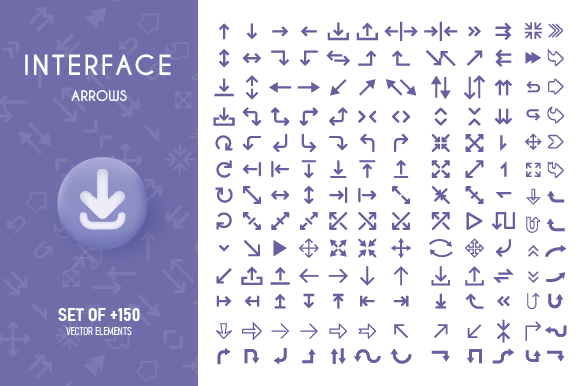
Ui Interface and Apps Arrow Collection Review
As a designer who spends half my life staring at screens and the other half stitching those digital concepts into tangible reality, I am always skeptical when I see "UI" or "app icon" styles translated into embroidery. The challenge is always the same: how do you make something designed for a 600-pixel screen look good on a three-inch hoop without it turning into a muddy blob of thread? That was my first thought when I pulled up the Ui Interface and Apps Arrow Collection. It promised high-quality JPEG, PNG, and SVG files, which suggests versatility, but the real test is always in the stitch-out.
I decided to put this collection through its paces not just as a graphic asset, but as a potential commercial product. My goal was to determine if these designs could hold their own in a boutique craft fair setting or an Etsy shop, where customers expect crisp, professional finishes. I wanted to see if the modern, digital aesthetic of UI arrows could bridge the gap between tech-savvy minimalism and the cozy, tactile nature of handmade goods.
The First Impression: Digital Meets Thread
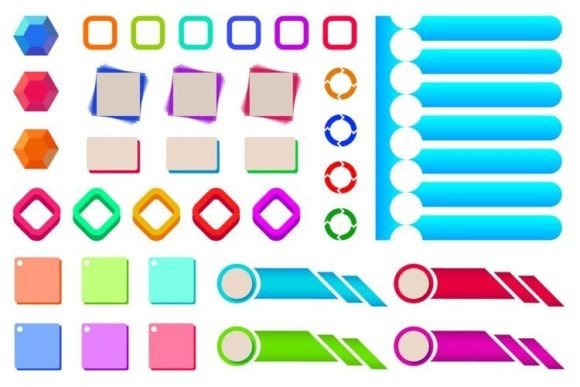
The immediate mood created by the Ui Interface and Apps Arrow Collection is one of clean direction. In the world of user interface design, arrows are functional; they guide the eye. When translated into an embroidery file, that function needs to become decorative while retaining its clarity. Visually, the collection feels sharp and intentional. There is no unnecessary clutter, which is a massive plus for machine embroidery.
For a handmade product to succeed today, especially in the realm of custom apparel, it often needs to speak to a modern sensibility. This collection does exactly that. It doesn’t try to be floral or traditional; it embraces a geometric, minimalist personality. When I looked at the SVG preview, I immediately thought about how these shapes would interact with different stitch types. The lines suggest a strong reliance on satin stitch for definition, with perhaps some running stitch or light fill stitch areas depending on the specific arrow variant. This mix is crucial because it allows for texture variation, preventing the final piece from looking like a flat sticker pasted onto fabric.
Real-World Application: From Screen to Stitch
To truly evaluate the utility of this design set, I simulated a few common project scenarios. The first was a custom embroidered tote bag for a small business owner who needed branding that stood out. Tote bags are a staple for Etsy sellers and craft business owners alike. I imagined placing a large, bold arrow motif from this collection on the front panel of a canvas bag. Because the design is rooted in Illustrations and Graphics rather than organic shapes, it pairs beautifully with structured fabrics like heavy cotton or denim.
Another scenario involved personalized gifts. I visualized these arrow designs on baby onesies or nursery decor. While arrows are often associated with growth or direction, in a soft color palette, they can serve as simple, gender-neutral wall art or clothing accents. However, this is where the designer’s judgment comes in. For baby embroidery, you need to ensure the design isn’t too rigid. If the arrows have extremely sharp, aggressive angles, they might feel out of place on a soft knit. But if the collection includes rounded or stylized variants, they work wonderfully as part of a larger pattern, such as a repeating motif on a tea towel or a kitchen apron.
I also considered the potential for embroidered patches. Patches are huge right now for personalizing backpacks, jackets, and caps. The clean edges of a UI-style arrow translate exceptionally well to patch work, provided the border is stable. A well-executed applique design or a dense satin border around the arrow shape would create a polished, professional finish that looks expensive. This elevates the perceived value of the item, making it easier to sell at a premium price point.
Where to Exercise Caution
No design is perfect for every situation, and being honest about limitations is part of responsible reviewing. The Ui Interface and Apps Arrow Collection relies on precision. Therefore, it requires careful consideration regarding hoop size and fabric choice.
If you attempt to stitch this design in a very small hoop, you risk losing the subtle details that give the UI style its character. Tiny lettering or intricate internal cutouts within the arrow shape may merge together during the stitching process, resulting in a loss of clarity. I strongly advise testing the design on scrap fabric first to check the stitch density. If the density is too high for the fabric weight, you will see puckering, which ruins the sleek, flat look that UI graphics are supposed to emulate.
Fabric texture is another critical factor. This design shines on smooth, stable fabrics like jersey, cotton blends, or twill. It struggles on highly textured materials like bouclé or thick terry cloth, where the needle cannot penetrate cleanly, leading to skipped stitches. Additionally, stretchy knits require proper stabilizer usage to prevent distortion. If you are working with dark fabric, pay close attention to thread colors; a low-contrast thread choice will make the design disappear. Conversely, on white or light backgrounds, you have more freedom to play with vibrant, neon-like thread shades that mimic digital screen colors.
Impact on Brand and Customer Trust
Using a cohesive design system like the Ui Interface and Apps Arrow Collection enhances brand consistency. For a small shop product line, having a recognizable visual language helps customers identify your work instantly. When a buyer sees a series of products—perhaps a sweatshirt, a pillow cover, and a tote bag—all featuring variations of this arrow motif, it signals professionalism and attention to detail.
This consistency builds customer trust. In the world of commercial embroidery, buyers are often wary of amateurish execution. A design that maintains its integrity across different mediums demonstrates technical skill. Furthermore, the modern aesthetic appeals to a broad demographic, including younger consumers who appreciate minimalism and functionality. This makes the finished product highly giftable for holidays or special occasions, expanding your market reach beyond just the typical crafter.
Practical Designer Notes for Success
Before committing to a full production run, there are several steps any serious embroiderer should take:
- Test on Scrap Fabric: Always stitch a sample to check for tension issues and thread breakage.
- Review Stitch Density: Ensure the design is not overly dense, which can cause stiffness and discomfort.
- Check Color Contrast: Use black and white mockups to verify that the design remains legible regardless of thread color.
- Confirm Licensing: Since the product description mentions editable files, verify the license terms before selling finished items or using them in digital product previews.
- Inspect Small Details: Zoom in on the digital preview to ensure no tiny elements will get lost in the stitching process.
In conclusion, the Ui Interface and Apps Arrow Collection is a versatile addition to any designer’s library. It bridges the gap between digital design assets and physical embroidery projects with grace. By understanding its strengths in clarity and modern appeal, and respecting its limitations regarding scale and fabric type, you can create stunning finished products that resonate with today’s market. Whether you are creating a unique personalized gift or scaling up for a craft fair, this collection offers a reliable foundation for professional, stylish results.