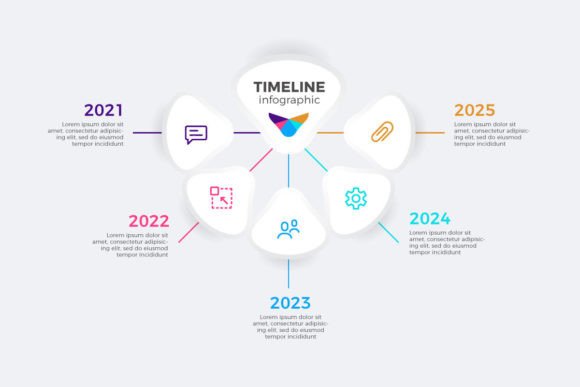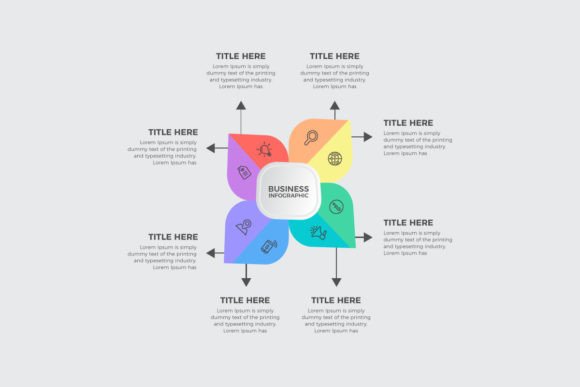
Business Infographics Design with Icons
As a designer who spends more time looking at stitch density and fabric grain than marketing copy, I approach every new machine embroidery design with a healthy dose of skepticism. The market is flooded with digital assets that look stunning on a screen but fall apart under the needle. When I first pulled up Business Infographics Design with Icons, my initial reaction was cautious. The concept—translating corporate data visualization into tactile thread—is ambitious. It promises structure, clarity, and professionalism, which are high-value traits for any embroidery project. But can it survive the transition from Illustrator to the hoop?
The First Impression: Clarity in Thread
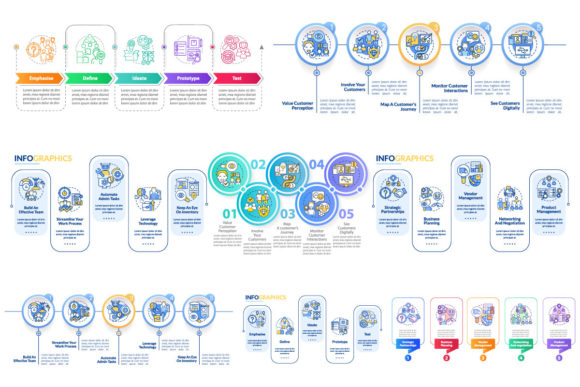
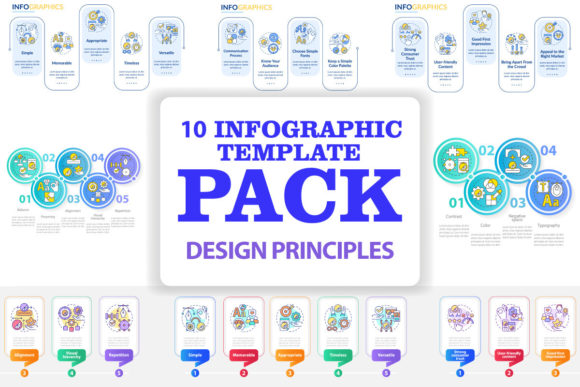
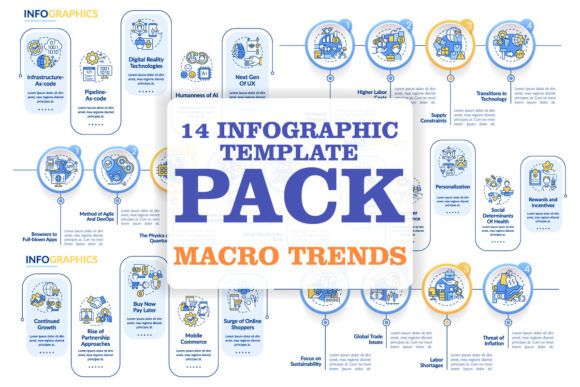
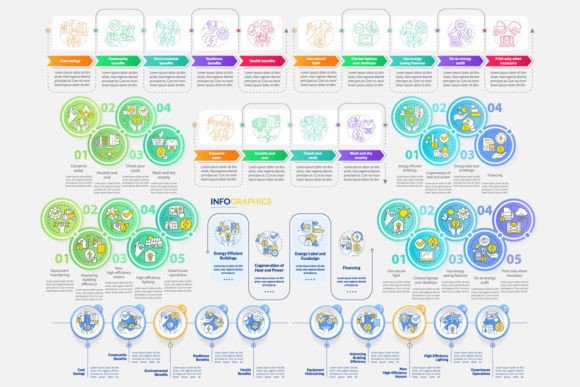
The visual personality of this Graphics package is clean, modern, and highly structured. It features four distinct options, steps, or processes, which immediately suggests utility over mere decoration. In the world of custom apparel and small shop product development, versatility is currency. A design that offers multiple variations allows an Etsy seller or craft business owner to cater to different niches without buying entirely new files.
Mood-wise, it feels corporate yet accessible. It doesn’t scream "fun" like a cartoon character, nor does it whisper "elegant" like a floral script. Instead, it projects competence. For a handmade product intended for a professional audience—think branded aprons for chefs, tote bags for consultants, or patches for tech startups—this aesthetic hits the right note. It bridges the gap between a generic logo and a complex illustration, offering something that looks intentional and curated.
Real-World Application: From Screen to Stitch
I recently considered using this design for a batch of custom embroidered patches intended for a client’s team-building event. The goal was to represent their four-step workflow process on durable fabric squares. Here is how Business Infographics Design with Icons performed in that scenario:
- Visual Appeal: The icon-based layout translates well to embroidery because icons are naturally simplified. Unlike intricate line art, which can become muddy if the stitch density is too low, icons hold their shape better. They read clearly even from a distance, which is crucial for commercial embroidery items displayed at craft fairs.
- Product Value: Adding a process diagram to a tote bag design or a sweatshirt embroidery piece elevates the perceived value. It moves the item from a simple gift to a functional brand asset. Customers often pay a premium for items that communicate a message or identity clearly.
- Brand Consistency: For creative entrepreneurs building a boutique brand, consistency is key. This design’s geometric nature aligns well with modern branding trends. It reinforces a sense of order and reliability, traits that build customer trust.
However, it is not just for corporate gear. I also tested the concept mentally for a personalized gift scenario. Imagine a kitchen towel featuring a simplified "Morning Routine" infographic with icons for coffee, toast, and keys. It adds a touch of humor and organization to home decor. Similarly, for baby embroidery, a simple four-step growth chart graphic could be stitched onto a milestone blanket, offering a unique alternative to standard text-based milestones.
Where Caution Is Required
No design is perfect for every surface. While Business Infographics Design with Icons is robust, there are specific situations where it requires careful handling to avoid a finished product that looks amateurish.
- Small Hoop Sizes: If you attempt to digitize or use this on a very small area (under 3x3 inches), the individual icons may merge into a blob. Ensure your hoop size is large enough to maintain separation between the elements.
- Textured and Stretchy Fabrics: Embroidering detailed graphics on fabric texture like terry cloth or heavy denim can distort the fine lines of the icons. Similarly, stretchy knits require a strong stabilizer to prevent puckering, which would warp the geometric integrity of the infographic.
- Dense Stitch Areas: If the design relies heavily on fill stitch to create solid blocks of color, it may become stiff and uncomfortable on garments like caps or aprons. Check the stitch density to ensure breathability and drape.
- Dark Fabrics: Contrast is everything. On dark backgrounds, light-colored icons might get lost unless you use a backing or choose high-contrast thread colors. Always test on scrap fabric first.
Practical Designer Notes for Success
To get the most out of this digital embroidery file, I recommend following these practical steps before committing to a final embroidery project:
- Test on Scrap Fabric: Never assume a design will work perfectly on your chosen material. Run a test stitch-out to check how the applique design elements (if applicable) or satin stitches interact with your specific fabric weave.
- Review Stitch Types: Analyze the balance between satin stitch outlines and running stitch details. A good mix ensures durability and reduces thread breakage. If the design is too dense, consider simplifying it by removing minor decorative accents.
- Check Licensing: Before listing this as a craft business item or selling printable mockups, verify the license terms. Some design assets allow personal use only, while others permit commercial sales of finished goods. Confusion here can lead to costly legal issues.
- Mockup Comparison: View the design in black and white. This helps assess the contrast and readability independent of color choices. If it reads poorly in grayscale, it may struggle in embroidery where color blending is limited.
- Stabilizer Selection: Use the appropriate stabilizer for your fabric weight. Cut-away stabilizers are generally safer for permanent structures like logos, while tear-away might suffice for temporary projects like holiday embroidery cards.
Final Verdict
Business Infographics Design with Icons is a versatile tool for the discerning embroiderer. It is not a flashy, attention-grabbing centerpiece, but rather a sophisticated element that adds depth and narrative to a garment or accessory. It works best when paired with clean fabrics and moderate hoop sizes, allowing the viewer to appreciate the thoughtfulness behind the design.
For apparel decorators and makers looking to expand their catalog with professional-grade items, this design offers a strong foundation. It speaks to a buyer who values efficiency, clarity, and modern aesthetics. Whether you are creating digital product sellers listings or physical small business merchandise, this asset provides a reliable way to communicate complex ideas simply and elegantly. Just remember: the magic happens in the execution. Take your time with the setup, respect the fabric, and let the design do its job.