Personal Brand Tasks Vector Infographics: Graphics and Infographics Review
As a brand designer who has spent years refining visual identities for local businesses, I approach every new asset with a mix of skepticism and curiosity. When I first opened the Personal Brand Tasks Vector Infographics, my immediate reaction was one of practical utility. This is not just a decorative element; it is a structural tool designed to bring order to chaos. For small business owners, especially those in the handmade, food, or boutique sectors, clarity is often the difference between a product that gets picked up and one that gets ignored. The mood created by this collection is modern, efficient, yet accessible. It suggests a brand personality that values transparency, process, and user experience. Whether you are running a busy coffee shop, a skincare line, or a digital marketing agency, the clean lines and linear icons speak a universal language of organization.
The initial impression is one of streamlined elegance. The design does not scream for attention with loud colors or complex textures; instead, it whispers confidence through simplicity. This makes it incredibly versatile. It fits seamlessly into brands that aim to be friendly and organic, as well as those that lean towards bold and modern aesthetics. For a local bakery looking to explain their sourdough process on a hang tag, or a wellness coach wanting to outline client steps on a website banner, this asset provides the perfect visual anchor. It feels premium without being pretentious, which is a delicate balance to strike in small business branding.
Real-World Application in Local Business Projects
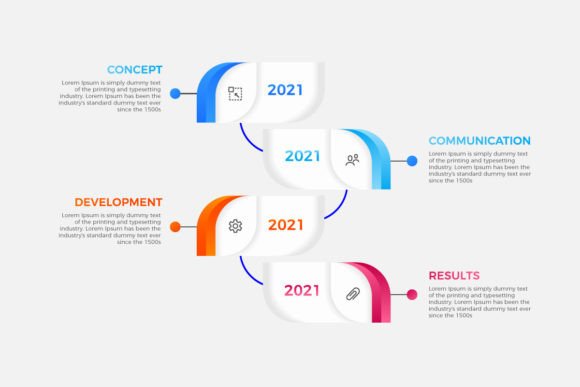
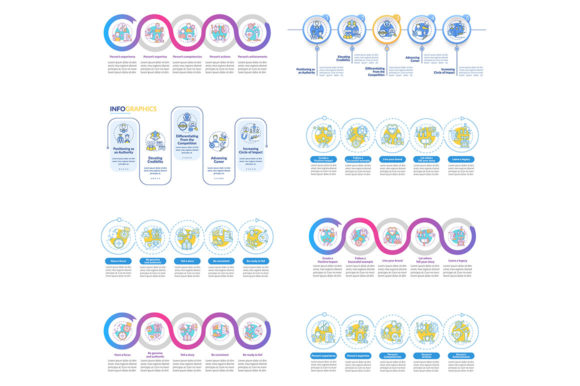
To truly understand the value of Personal Brand Tasks Vector Infographics, we must look at how it functions in a real-world scenario. Imagine I am working with a local artisanal soap maker who wants to move beyond simple ingredient lists. She needs to communicate her "Cold Process Method" to customers who care about quality. Using the workflow layout with linear icons from this bundle, I can create a clear, step-by-step visual guide that goes onto the product packaging. This transforms a standard label into an educational tool, enhancing the perceived value of the product.
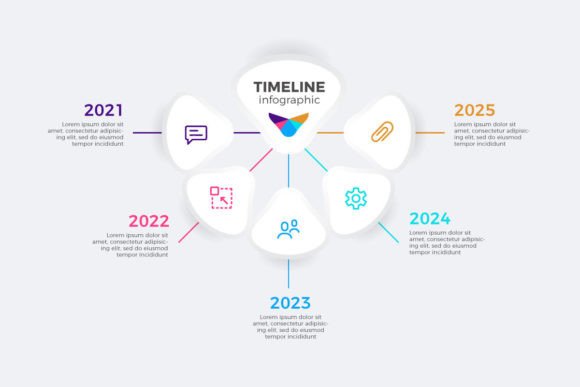
Similarly, for a boutique clothing store launching a seasonal campaign, these infographics can be repurposed as social media graphics. The influencer presentation design elements allow for a polished look that aligns with high-end editorial standards. By breaking down a "How to Style" guide into three distinct phases using the process timeline chart, the brand creates a stronger emotional connection with its audience. The visual hierarchy becomes intuitive, guiding the customer’s eye exactly where it needs to go. This level of professional branding builds trust, showing that the business cares about details.
The versatility extends to promotional materials as well. A local food truck owner could use these assets to create a menu graphic that highlights popular items or explains the sourcing of ingredients. The data visualization capabilities ensure that information is digestible even when viewed quickly on a smartphone screen. For marketing visuals like flyers or posters, the linear icons provide a cohesive theme that ties different pieces of collateral together. This consistency is crucial for establishing a recognizable logo design and overall brand identity.
Strategic Placement for Maximum Impact
Knowing where to place these design assets is just as important as selecting them. The Personal Brand Tasks Vector Infographics excel in areas where clarity is paramount. They work beautifully as decorative brand elements on thank-you cards, adding a touch of professionalism to unboxing experiences. For product mockups, they serve as excellent overlays that demonstrate functionality or features without cluttering the main image. In web design, they can be used as hero graphics to explain services or products immediately upon landing on a site.
In the realm of packaging design, these infographics shine when used as accents rather than dominant features. A subtle timeline on the back of a cosmetic jar can enhance shelf appeal by offering quick insights into the product benefits. For printable inserts included in e-commerce orders, they can guide customers on how to care for their purchases, reducing support queries while reinforcing the brand’s helpful nature. Seasonal packaging campaigns also benefit greatly, as the modular nature of the icons allows for easy customization to fit holidays or special events.
However, strategic placement also means knowing where not to put them. These assets should be used carefully in formal corporate branding contexts where strict minimalism is required. They may also clash with very small labels where detail is lost, or crowded product packaging where visual noise becomes an issue. Ingredient-heavy layouts and legal information areas should remain text-focused to ensure compliance and readability. Low-contrast backgrounds can make the linear icons disappear, so always test visibility. Luxury minimalist brands might find the decorative nature slightly too busy, preferring pure typography instead.
Practical Designer Notes for Implementation
Before integrating Personal Brand Tasks Vector Infographics into your commercial design projects, there are several technical checks every designer should perform. First, always test the asset on real packaging mockups. What looks good on a white screen may lose definition on textured paper or curved surfaces. Check black and white usage to ensure the icons remain legible if you need to print in monochrome. Previewing the design on small labels is critical; sometimes, intricate details become muddy when scaled down significantly.
Color testing is another vital step. Apply your specific brand colors to the vectors to see how they interact. Do they maintain enough contrast? Does the mood shift appropriately? Comparing your design with competitor packaging helps ensure you stand out while still fitting within industry norms. If you are using SVG design files, inspect the editability. Can you easily change stroke weights or colors? If you are working with PNG design files, verify the transparency quality and resolution to avoid pixelation in large-format prints.
Typography pairing is essential for a polished result. Test these infographics beside serif fonts for a classic look, sans serif fonts for modern clarity, script fonts for a personal touch, handwritten fonts for a handmade vibe, and display fonts for impact. The right font combination can elevate the entire composition. Finally, confirm your commercial license before using these assets for client work, business branding, or physical product sales. Ensuring you have the rights to use the clipart and illustration legally protects your business and maintains professional integrity.
Ultimately, Personal Brand Tasks Vector Infographics offer more than just pretty pictures; they offer structure. For creative entrepreneurs, marketers, and designers, they are a powerful addition to any toolkit. By leveraging the power of visual hierarchy and consistent brand identity, you can transform ordinary products into memorable experiences. Whether you are creating a Canva template for social media graphics or designing a full suite of marketing visuals, these assets provide the foundation for professional branding that resonates with local audiences and drives growth.